There’s no such thing as ‘Colombian cacao’
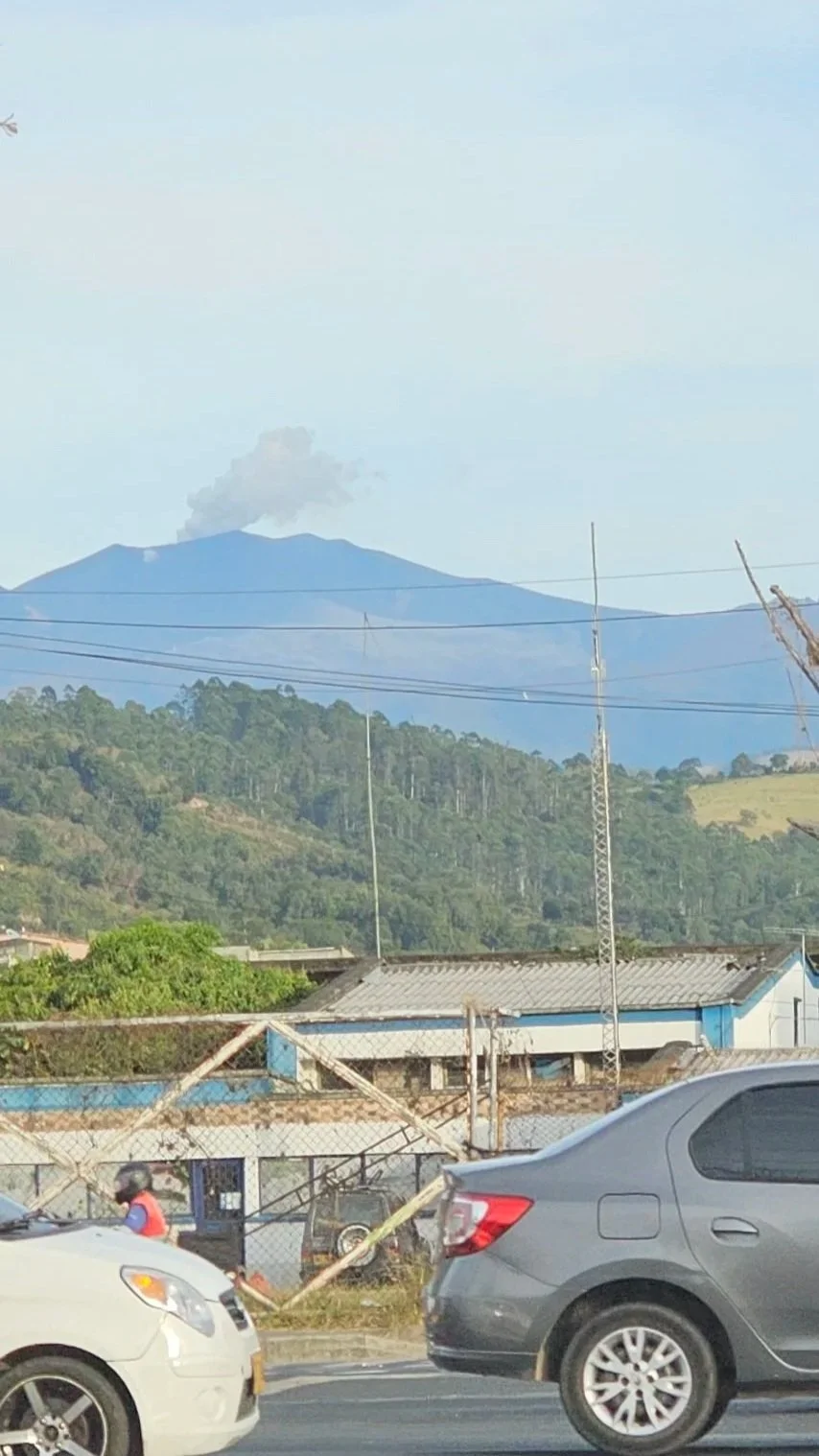
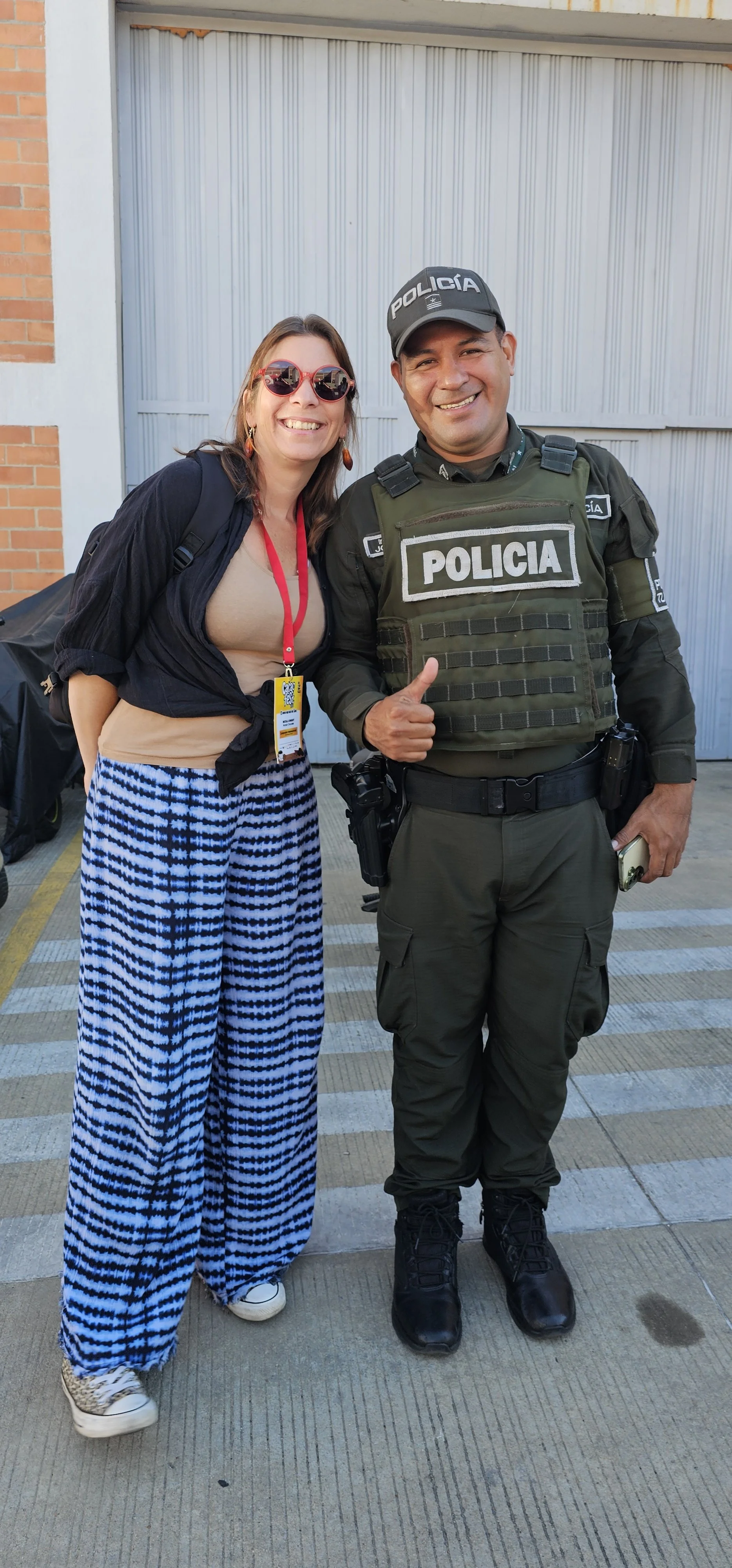
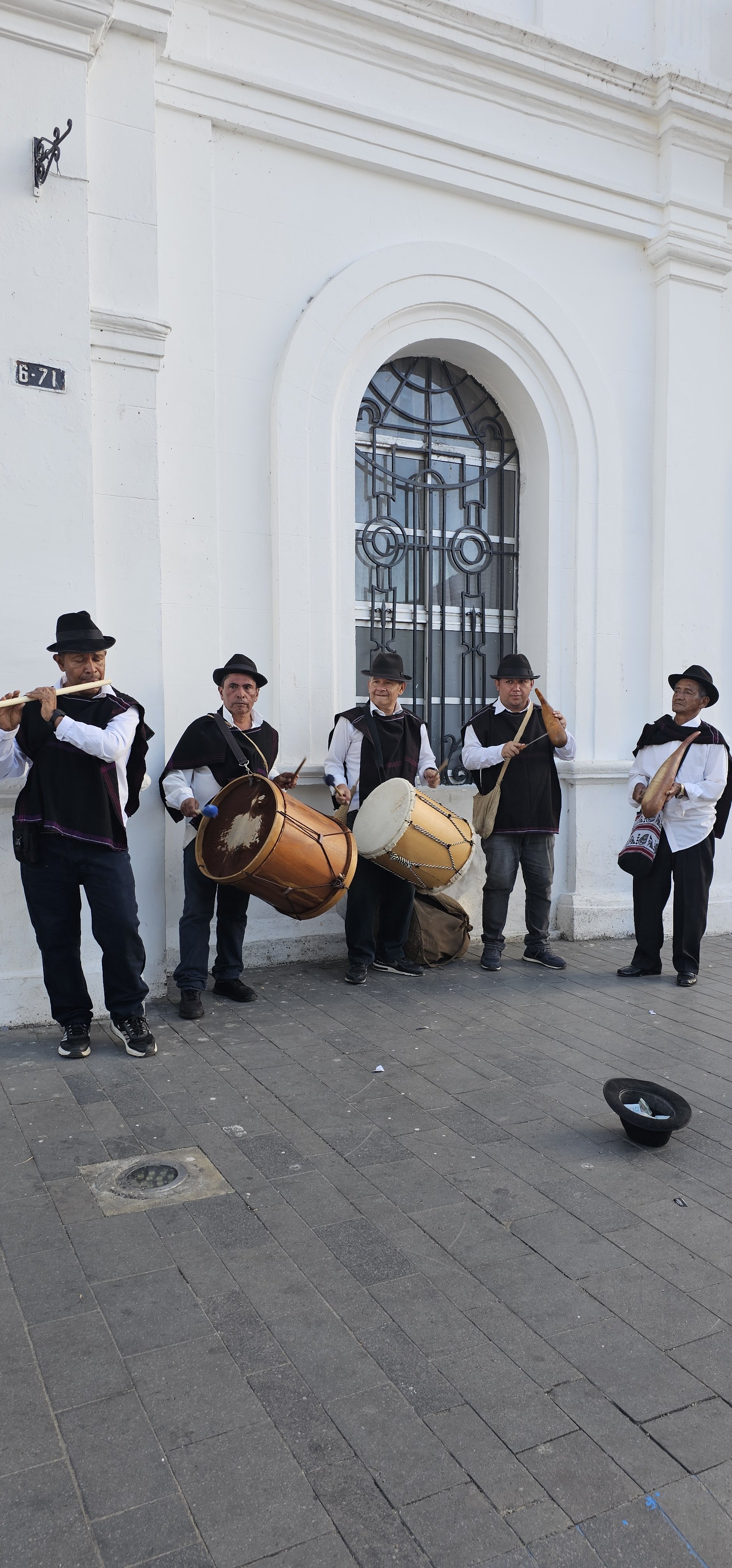
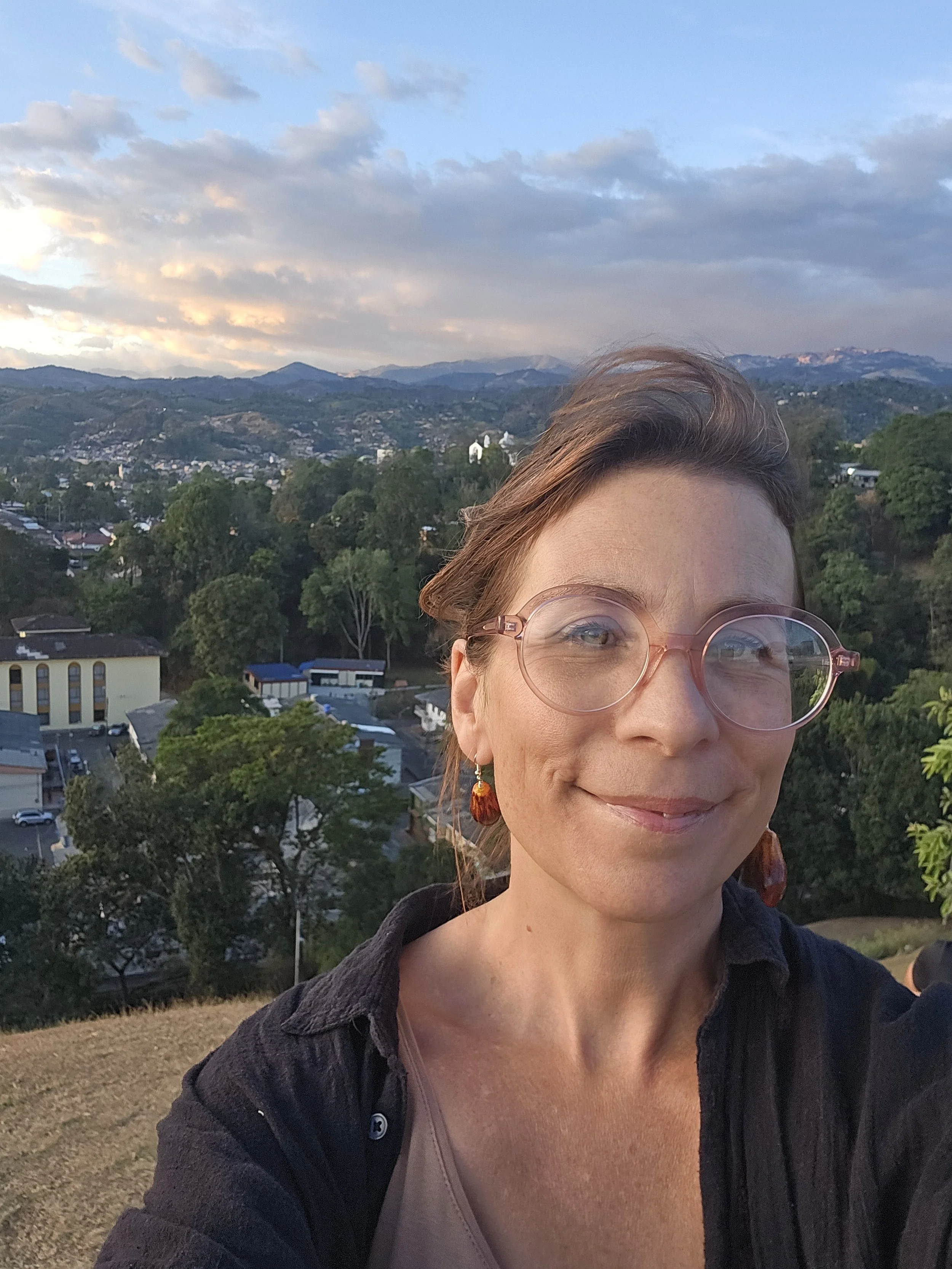
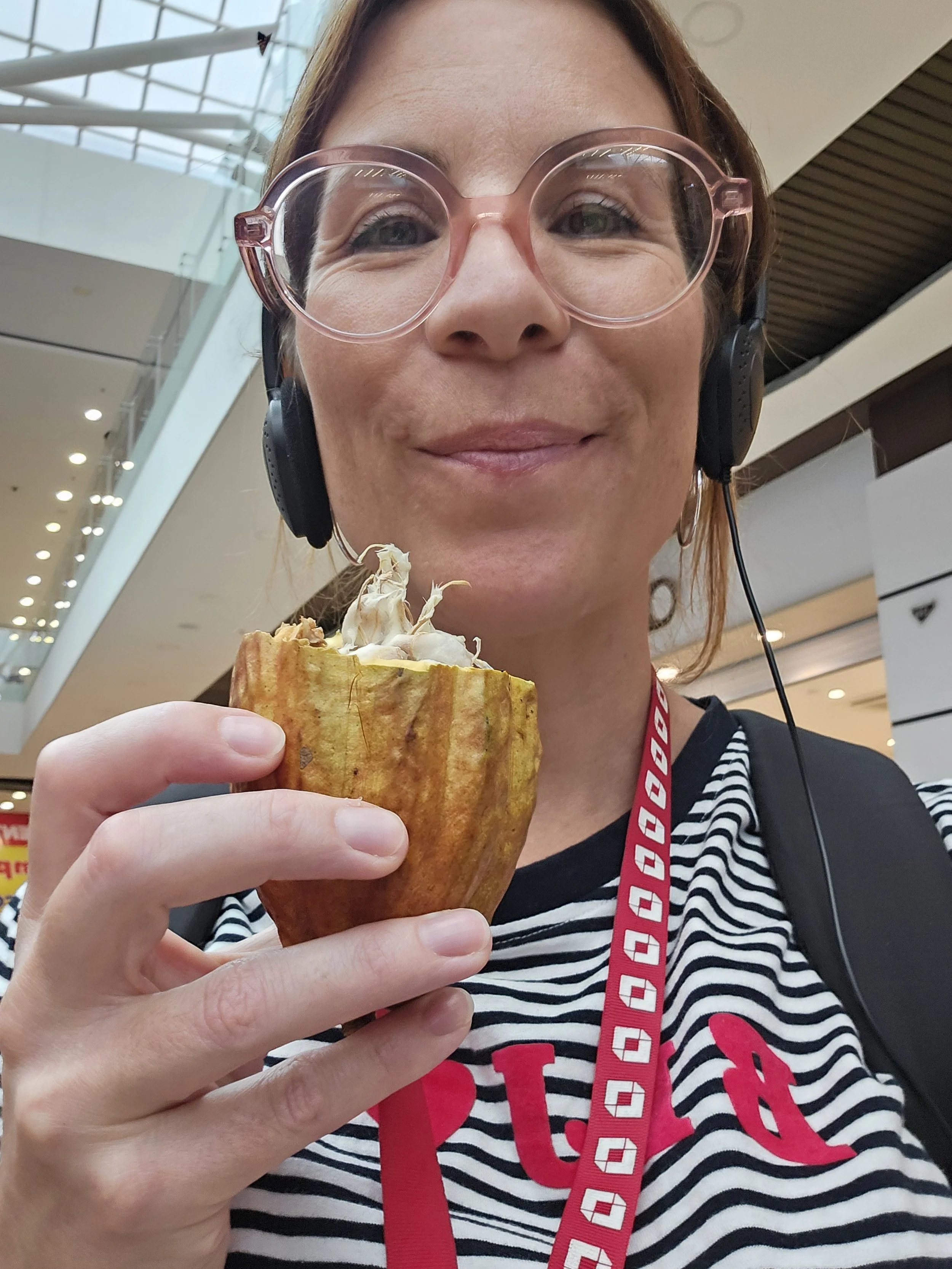
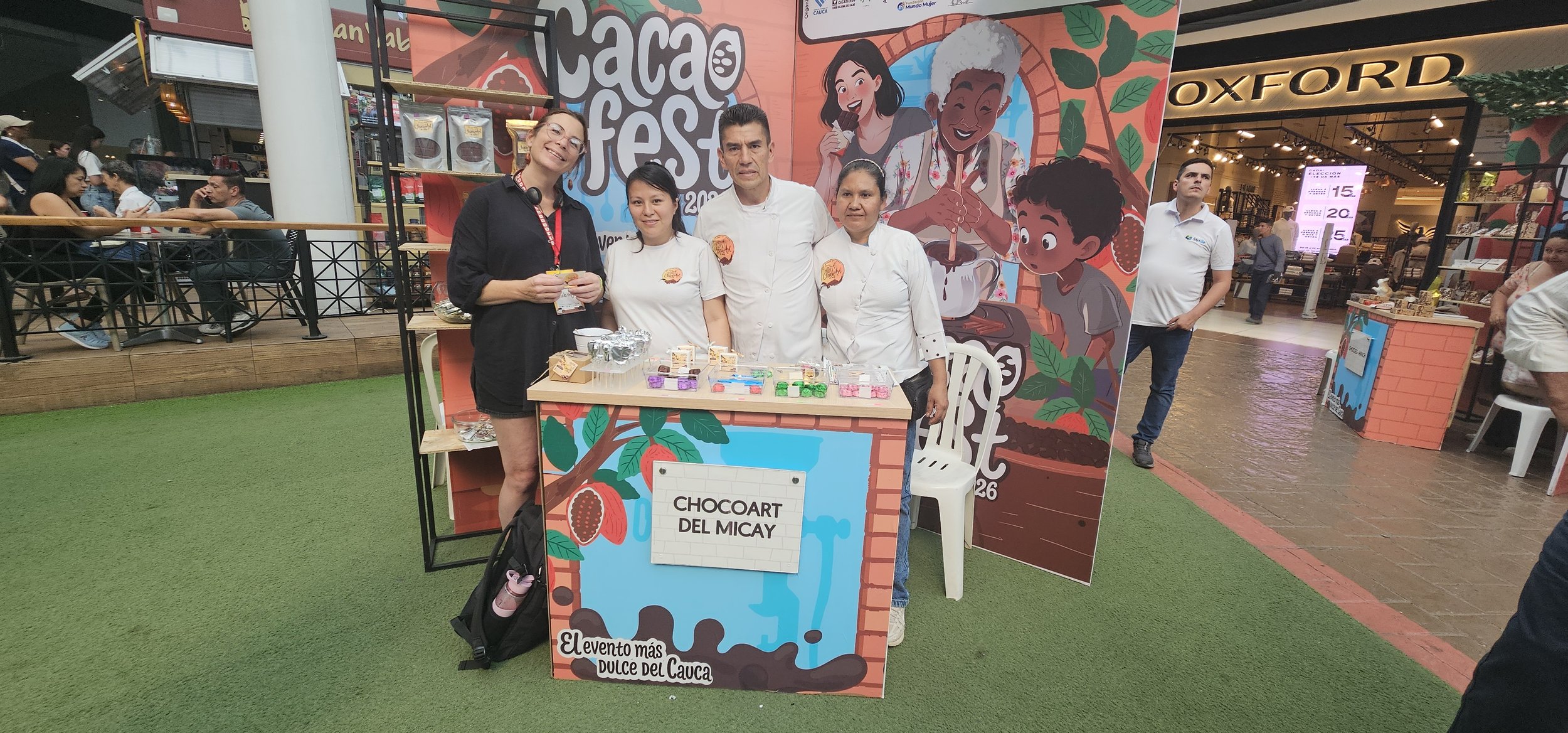
A little over a week ago, I found myself in Popayán, in the Cauca region of Colombia, surrounded by cacao farmers, chocolate makers, tasters and a lot of chocolate!
I’d been invited by ProColombia to visit Cauca as part of a trade mission, coinciding with a chocolate festival in Popayán which brought together people from across the cacao and chocolate community.
And I think the biggest thing I came home with (apart from a suitcase somewhat heavier than when I left) was the realisation of just how meaningless it can be to talk about “Colombian cacao” as though it is one thing.
Over a few days, I tasted chocolate made with cacao from Argelia, Guapi, Miranda, El Tambo and Tumaco, as well as the Sierra Nevada and other regions across Colombia. Even within Cauca there was an extraordinary range of flavour.
That’s something I understand intellectually as a chocolate maker and taster. I know that variety, soil, climate, fermentation, drying and the choices made by farmers and producers all have an impact on flavour.
But it is quite different to stand with the people growing and processing the cacao, taste the chocolate with them, and hear them talk about what makes their cacao different.
And the flavour was only part of the story.
Cacao as a way forward
Some of the conversations that stayed with me most were with people working incredibly hard to elevate the quality and value of cacao farming within their communities.
In parts of Colombia, growing illicit crops can offer farmers an income, but brings with it enormous risks. We met people and organisations working to make cacao a viable, valuable alternative - creating safer livelihoods and a different future for their communities.
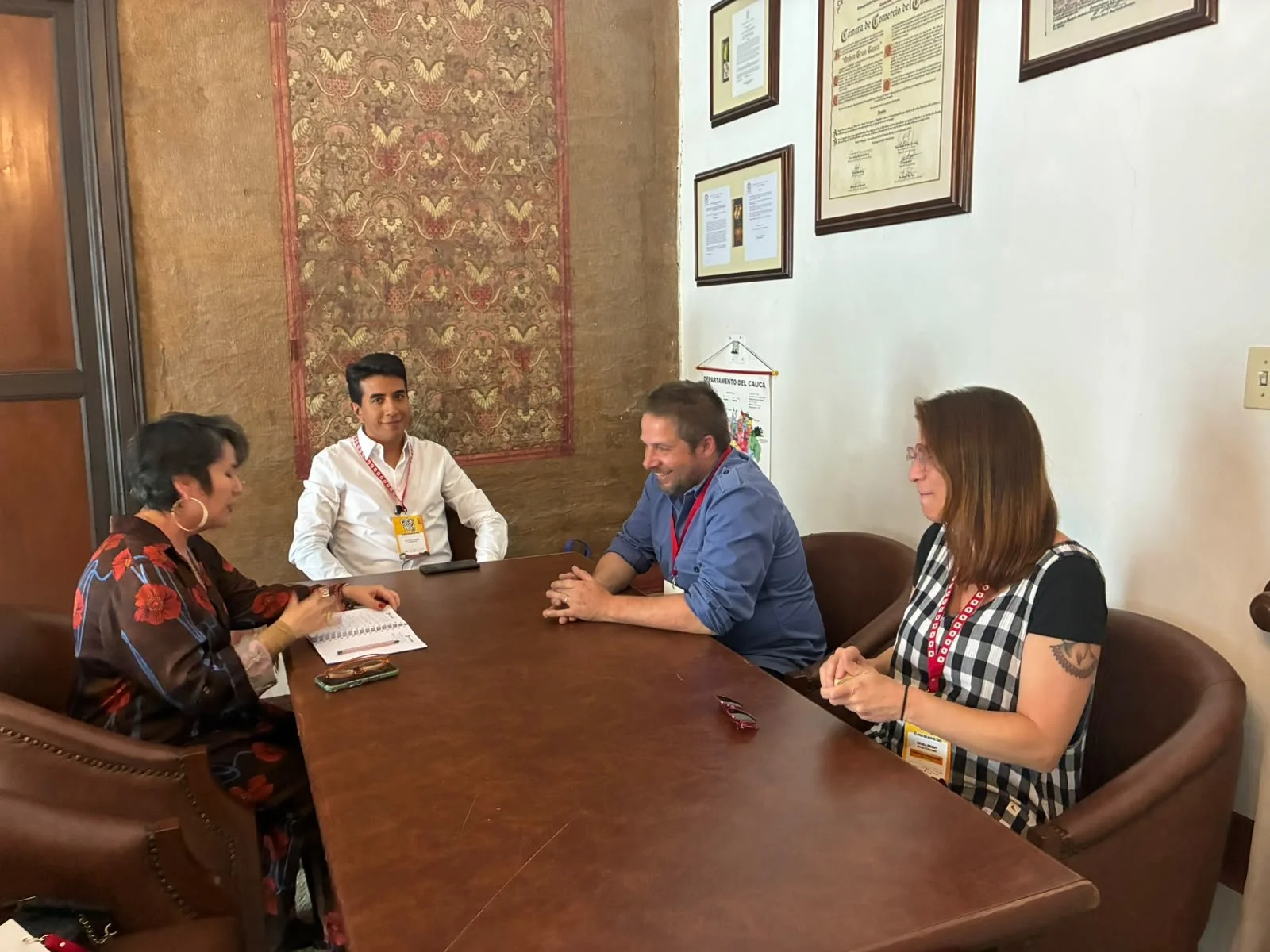
We also met organisations including Mercy Corps and heard about some of the work happening alongside the Chamber of Commerce and ProColombia to support producers and help their cacao and chocolate reach a wider market.
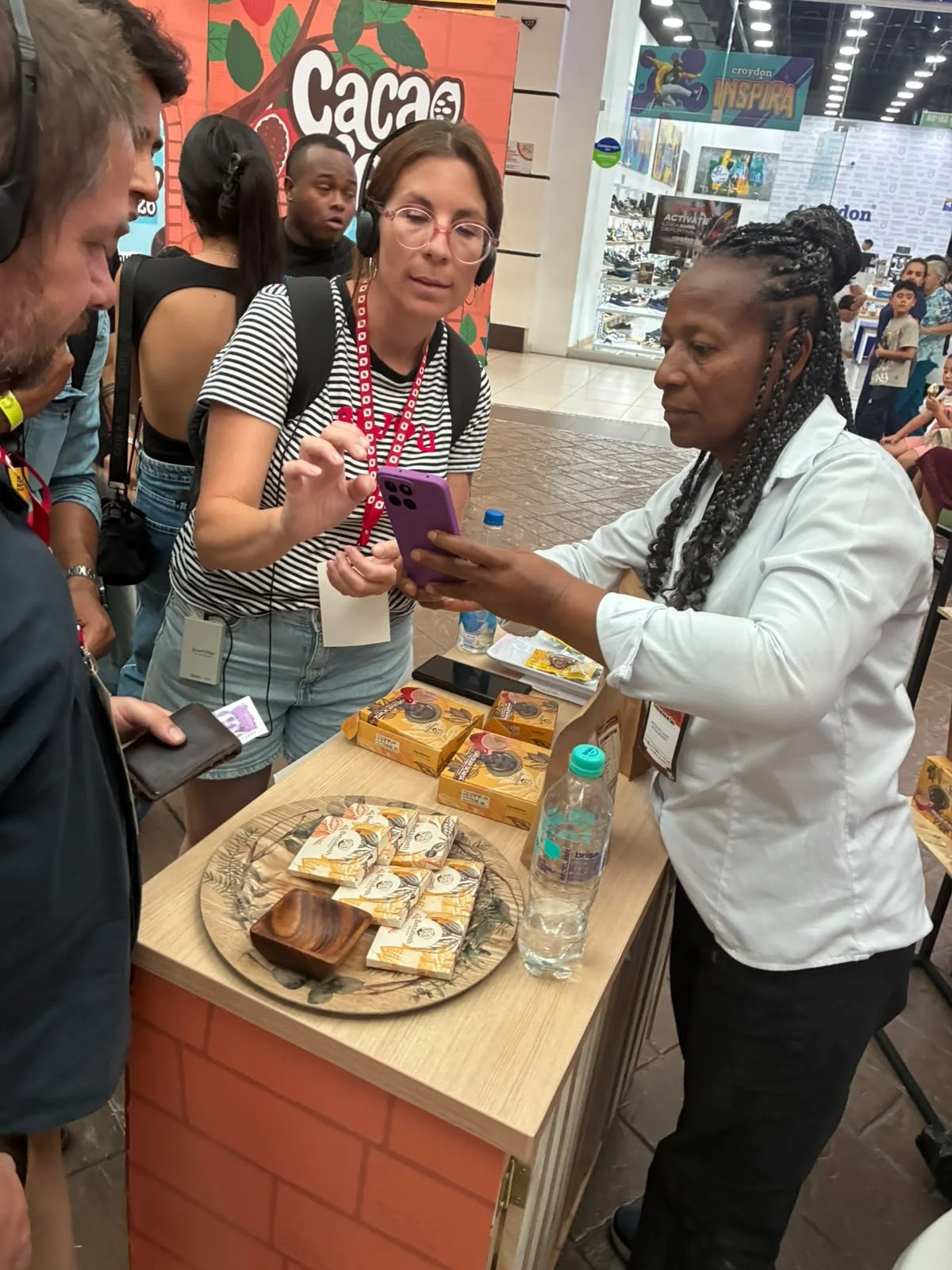
One project particularly caught my imagination. They have created a collection of chocolates from different regions, with each little bar illustrated to tell the story of the place and people behind that cacao.
Of course, I loved this! Because this is exactly what I find so exciting about chocolate. A bar of chocolate can look incredibly simple. But behind it is often a particular farm, landscape, community and set of skills. There are decisions made at every stage that ultimately become the flavours you experience when you put a piece of chocolate in your mouth.
Closing the gap
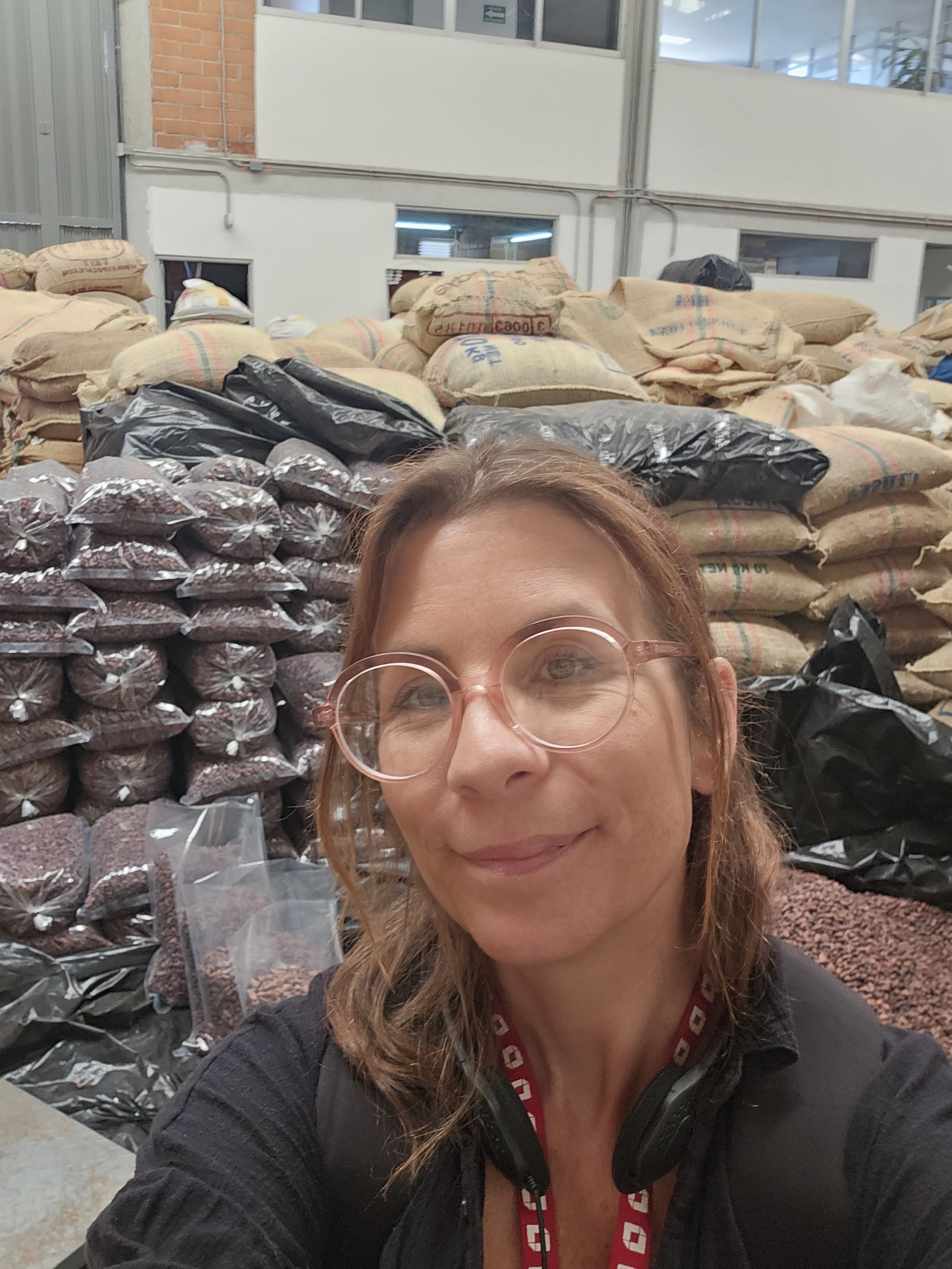
On our first day we visited Cacao Hunters, where we were able to see their cacao storage facility and chocolate factory - and, of course, taste our way through some of their Colombian chocolates.
Among all these sacks of beans, I spotted the same sacks of Tumaco cacao that I have sitting in my garage back in Exeter.
I know these beans intimately. I’ve roasted them, cracked, winnowed and ground them and tasted them over and over again. And yet seeing them there, in Colombia, gave me a completely new perspective on them.
Suddenly the gap between the sacks arriving at my little factory in Exeter and the place and people they came from felt much smaller.
I experienced something similar when I travelled to El Salvador and visited the farms where some of my cacao is grown. Afterwards, my relationship with those beans changed. I felt more connected to them, and somehow more invested in doing them justice when I turned them into chocolate.
Now I feel that way about Tumaco too! I came home feeling completely in love with those beans again.
That's one of the things that travelling to origin gives me that I can't get from a spec sheet, a sample or even from tasting the chocolate. It closes the gap.
What happens next?
The whole trip was an extraordinary adventure.
ProColombia and the team in Cauca looked after us incredibly well, from arranging an interpreter who enabled us to have proper conversations with the people we met, to organising our transport, hotel and meals. It meant that in a very short visit we were able to see, taste and learn an enormous amount.
But perhaps the most exciting part is that I don't think the story ends with the trip.
There are a couple of growers I met whose cacao I would really like to explore further, and conversations I’m hoping to continue over the coming months.
There are quite a few practical steps between meeting a cacao producer in Colombia and getting a sack of their beans into my little chocolate factory in Exeter, so I don't yet know where those conversations will lead.
But I love the possibility that one day I might be able to take cacao from one of the people I sat and talked with in Cauca, bring it back to Exeter, and discover what I can make from it.
And if I do, you'll get to taste that story too.